Mirley Adapted When a Burglary Alarm Became a Medical Emergency
A burglary alarm changed in seconds when Christy fell and hit her head. Mirley reassessed the situation, got EMS moving, and stayed with her until paramedics arrived.
The call began as a burglary alarm.
Christy said she was okay and believed a glass-break sensor had triggered it.
Seconds later, the line went silent.
Mirley could hear Christy breathing heavily. Then Christy explained that she had fallen and hit her head.
The situation Mirley was handling had changed completely, and she changed with it.
Mirley immediately alerted her supervisor, assessed Christy’s condition, and worked with a coworker to get EMS on the way. She also gathered gate-access and door-status information so responders could reach Christy when they arrived.
EMS was on the way. Mirley stayed focused on Christy.
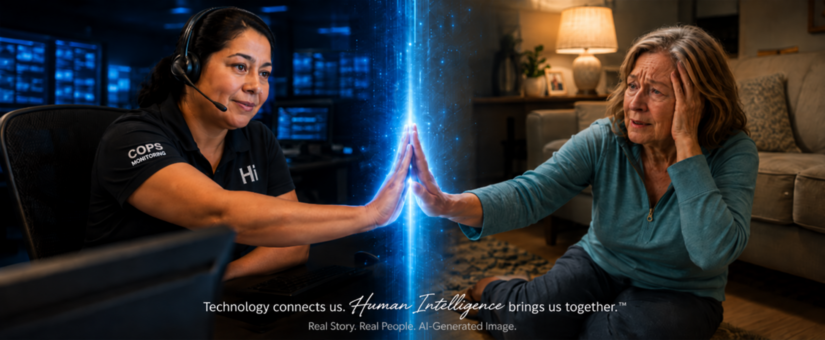
She reassured Christy that help was coming and kept her engaged in gentle conversation while they waited. They even talked about Christy’s love for cats, giving Mirley a natural way to ease her fear and help keep her alert until paramedics arrived.
The burglary procedure was no longer the situation in front of her.
Mirley’s response required her to recognize that immediately, change priorities without losing composure, and continue gathering the information the new emergency required.
Getting EMS moving addressed the medical response. Staying engaged with Christy addressed the person who still had to wait for that help to arrive.
Mirley was still a Level 2 dispatcher. Her response shows what strong preparation must support: the ability to follow procedure when it fits, recognize when the situation has changed, and adapt without losing composure.
In a matter of seconds, Mirley moved from burglary-alarm handling to medical response, coordinated with her team, gathered new information, and remained connected with the person depending on her.
The alarm system created the connection. Mirley’s Human Intelligence determined what happened when the situation behind that connection suddenly changed.
She recognized the new emergency, changed course, coordinated the response, and stayed engaged until paramedics arrived.
That is COPS Human Intelligence™ in Action.

Choose a monitoring partner whose people can change course when the situation does.
When your customer’s burglary alarm suddenly becomes a medical emergency, you want someone who can recognize the change, adjust immediately, gather what responders need, and remain connected until help arrives.
That ability to adapt becomes part of the protection your customer trusted your company to provide.
Take the first step toward giving your customers a true human connection when circumstances change without warning.
Choose monitoring backed by people with the judgment, empathy, and composure to respond when every second and every decision matters.